
15 de julio de 2026 · Elena Vargas
How Spanish Programming Courses Are Empowering Global Learners
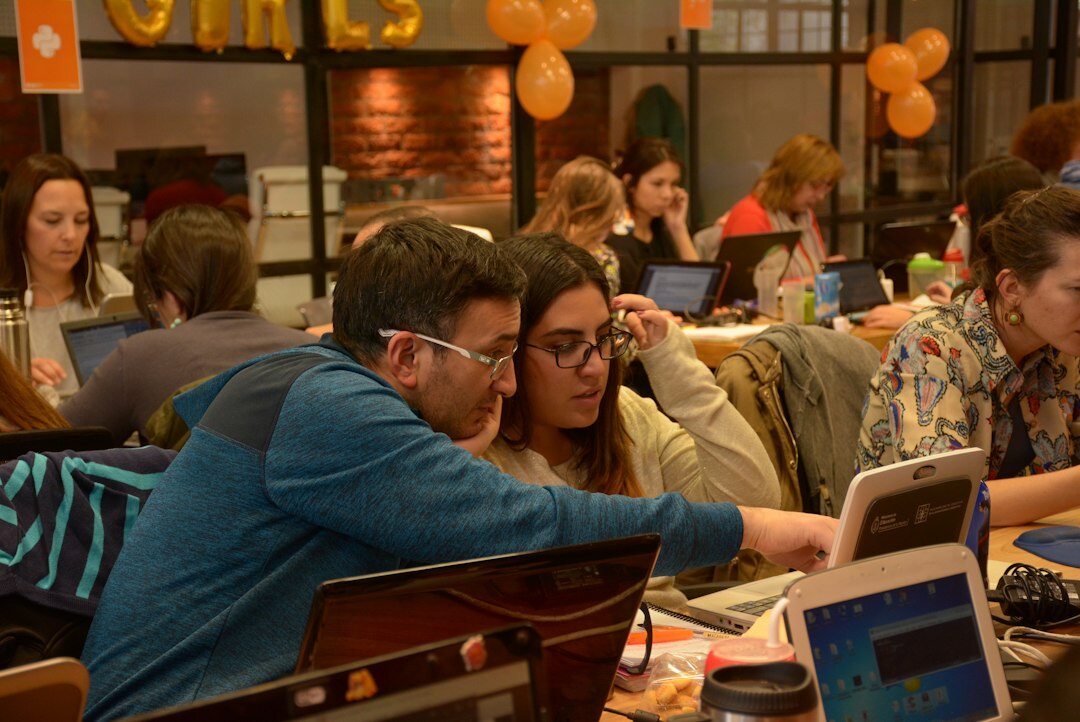
In recent years, the demand for programming skills has skyrocketed across industries, but language has often stood as an unexpected hurdle for many aspiring developers. For non-English speakers, diving into code tutorials or documentation can feel like learning two new languages at once. This is where Spanish programming courses step in, offering a pathway that feels familiar and accessible from the very first lesson.

At the heart of this shift is the recognition that millions of people in Latin America, Spain, and beyond are eager to enter the tech world but need instruction in their native tongue. Courses taught in Spanish not only explain syntax and algorithms clearly but also build a sense of community among learners who share similar cultural references and challenges.
Breaking Language Barriers in Tech Education
Traditional coding resources are overwhelmingly in English, which can discourage beginners who lack fluency. Spanish courses address this by translating complex concepts into everyday language while maintaining technical accuracy. Students report feeling more confident asking questions and collaborating on projects when the entire experience is in Spanish.
One learner from Mexico shared how completing a web development track helped her launch a freelance career serving local businesses. She no longer had to translate error messages or search forums in a second language, allowing her to focus purely on building functional sites.

Global Reach and Career Opportunities
These programs are not limited to one region. Students from Argentina to the United States are enrolling, creating a truly international classroom. The shared language fosters discussions that cross borders, with participants exchanging ideas on everything from mobile app design to data analysis tailored to Spanish-speaking markets.
- Access to localized job markets where Spanish skills give an edge
- Networking with peers who understand regional needs
- Resources that include examples relevant to Latin American economies
Employers are noticing too. Companies operating in bilingual environments value graduates who can code and communicate effectively in Spanish, opening doors that were previously closed.
Practical Skills with Cultural Context
Beyond syntax, Spanish programming courses often weave in real-world projects that resonate culturally. Learners might build apps for local transportation issues or analyze data from regional agriculture. This relevance keeps motivation high and turns abstract coding into tangible outcomes.
Learning to code in Spanish felt like finally having the instructions in my own words. It changed everything for me.
The structure of these courses typically includes live sessions, recorded modules, and hands-on exercises that progress from basics to advanced topics. Support in Spanish means quicker resolutions to doubts, reducing frustration that often leads to dropout in English-only environments.

As more platforms adopt this model, the tech industry becomes more inclusive. Diversity in coding teams brings fresh perspectives, and Spanish-speaking developers are contributing to innovations that benefit global audiences.
Looking Ahead
The growth of Spanish programming education signals a broader trend toward multilingual learning. With continued investment in quality content and community support, these courses will keep empowering individuals to shape their futures in technology without language holding them back.